

Clear Your Clutter With This Plan

Are you feeling buried by all of your stuff? Do you feel like you’re constantly tidying up, and it’s never enough? If so, welcome to the club! Anyone who has ever lived in any type of space knows that clutter accumulates over time. It can be tough to keep on top of it, but there are ways to make the process a little easier. Here are some tips for decluttering your home in less than a month. Are you ready? Let’s get started!

  • Day One: Pick one room to focus on. This might be the room that you spend the most time in or the one that is most cluttered. Once you’ve chosen your room, set a timer for 15 minutes and start decluttering! Don’t worry about putting everything away perfectly; just focus on getting rid of anything that you don’t need or use.
  • Day Two: Today, your task is to declutter for 20 minutes. You will do this in the same room as yesterday. Remember to focus on getting rid of anything that doesn’t bring you joy or serve a purpose.
  • Day Three: For day three, set a timer for 25 minutes and continue decluttering your home. Once again, stick with the same room. 
  • Day Four: Today, you will organize the room you’ve been working in. All of the items you’ve decided to keep now need a home. Think about the space you have to work with. Do things need to be folded and just gently placed in a closet? Do you need additional storage bins to help contain what you are keeping? (Remember: Your local dollar store is great for inexpensive storage solutions.)
  • Days Five-Eight: Repeat days one through four – but this time in a new room! 
  • Day Nine: For day nine, take a break from decluttering and focus on cleaning instead. Do a deep cleaning of the two rooms you have already decluttered. 
  • Days Ten-Thirteen: Repeat days one through four in another room. If you’ve already done your bedroom and the bathroom – maybe it’s time to move to the kitchen. 
  • Days Fourteen-Seventeen: Repeat days one through four in another room – and celebrate that you are on the 4th room in your home for decluttering! That’s quite an accomplishment!
  • Day Eighteen: This is your cleaning day! Clean through the last two rooms you’ve decluttered!

If you have additional rooms that still need to be decluttered – go back to days one through four and start the process again. Do this until every room in your home has been decluttered, organized, and cleaned!

Additional Tips to Help You:

  • Get the whole family involved: Decluttering can be a daunting task, but it’s much easier when everyone pitches in. Assign each family member a few tasks to help lighten the load.
  • Be ruthless: When in doubt, throw it out! If you haven’t used something in the past year, chances are you won’t use it again.
  • Create a “donation” pile: As you’re decluttering, designate a spot for items that you no longer need but are still in good condition. This way, you can easily donate them to charity or someone who may need them more than you do.
  • Don’t wait to get started: While decluttering is not a task that most look forward to, it’s definitely not one you want to put off. 

Decluttering your home can be a daunting task, but it is definitely worth the effort. Follow this schedule to make the process a little bit easier, and you’ll be on your way to enjoying a decluttered home in no time! 

Self-Care: Small Steps to Take Better Care of Yourself

You know that taking care of yourself is important, but it’s so easy to let life get in the way and push self-care to the bottom of our priority list. This can be especially true when you’re feeling stressed or overwhelmed. But even if you only have a few minutes to spare, there are small steps we can take to boost our well-being and recharge our batteries. Here are some ideas for incorporating more self-care into your day-to-day routine.

  • Unplug from Technology: It can seem that you are constantly plugged into some form of technology—whether it be a phone, laptop, or tablet. And it can feel like you’re always online, checking email, scrolling through social media, and watching Netflix. But what happens when you unplug for a little self-care? Two of the main things that occur are that you feel less stressed and that you have more time in your day – and who doesn’t want those things? Try to disconnect each day – even if it’s just for an hour and see how you feel. You may find yourself spending less and less time “connected” and free of technology because you enjoy the way it makes you feel. Soon an hour may be two or three – or even entire weekends that are tech-free.
  • Try a New Hobby: Self-care is essential for a healthy mind and body. A good way to practice self-care is by finding a new hobby. Hobbies can help reduce stress, improve your mood, and provide a sense of purpose. Here are five hobbies that can help you practice self-care:
    1. Knitting or crocheting 
    2. Painting or drawing 
    3. Playing an instrument
    4. Gardening 
    5. Cooking/baking
    6. Which one would you be most interested in trying?
  • Meditate: When you’re constantly under pressure, it’s easy to let your health suffer. But by taking a little time for yourself each day to practice meditation, you can reduce stress and improve your overall well-being. Meditation is a great way to connect with yourself and tune out the chaos of the world. It’s also a great way to relax and recharge your batteries so you can continue working hard. So if you’re looking for a way to add some self-care into your routine, give meditation a try! You may be surprised at how beneficial it can be.
  • Exercise: When you are feeling run down, stressed, or just need some time for yourself, exercise can be a great way to provide that self-care. It can help to clear your head, release endorphins that make you feel good, and just give you some time to focus on yourself. Whether you like to go for a run outside, take a spin class, or lift weights at the gym, there is definitely an exercise out there that can help you feel better. And it’s not just about the physical benefits either – exercising with others or in nature can also provide social and environmental stimulation that can be beneficial as well. So if you’re looking for a way to boost your mood and take care of yourself, try incorporating exercise into your routine.
  • Eat a Healthy Diet: A healthy diet can play a huge role in our self-care routine, and it doesn’t have to be complicated or expensive. In fact, there are plenty of delicious and nutritious foods that can help boost your mood and improve your overall well-being. A good rule of thumb is to shop the perimeter of your grocery store – as this is often where the freshest (and least processed) foods are found. 

Taking care of yourself is important, but it can be hard to know where to start. But with this list of small steps, you can make some simple changes or adjustments. Soon you’ll be on your way to feeling happier and healthier in no time!

Master Thai Cuisine With These Cookbooks

If you’re looking for a new cuisine to try your hand at in the kitchen, Thai might be a good option. The flavors are bold and aromatic, making for an interesting and delicious experience. With a little bit of preparation, you can have a great Thai meal on your table in no time. So why not give it a try? Here are some cookbooks that can get you started.

  • That Slow Cooker Cookbook: Thai Favorites Made Simple
    • Want to make a classic Thai curry without having to keep a watchful eye? Are you looking for a simple way to create restaurant favorites like Pad Thai in your own kitchen? With the Thai Slow Cooker Cookbook, you can enjoy fresh and flavorful Thai dishes at home with the convenience of your slow cooker. 
      • Why slow cook? Slow cooking consolidates steps, takes out the guesswork and infuses dishes with flavor–no need to wait a day or two for the dish to rest. 
      • Got the goods? Stock your pantry the Thai way with a list of essential ingredients and shopping tips for hard-to-find ingredients. 
      • Short on time? All the slow cooker recipes in this book prep in 20 minutes or less. 
      • Craving Thai sides? Supplement your slow-cooked meals with recipes for classic Thai sides, like papaya salad, chicken satay, and curry puffs. 
      • Dietary restrictions? With a mix of dishes great for omnivores and vegetarians alike, labels also indicate if a recipe is soy-free and/or nut-free. 
    • Today’s busy world can make getting a healthy and satisfying meal on the table a challenge. Skip the wait for takeout and come home to wholesome Thai food, cooked by you, for you. 
    • Recipes include: Curried Kabocha Coconut Soup, Thai Sticky Wings, Massaman Sweet Potato and Tofu Curry, Chicken Red Curry, and Sweet Pork
  • 101 Thai Dishes You Need to Cook Before You Die: The Essential Recipes, Techniques and Ingredients of Thailand
    • In this showstopping collection of must-try Thai dishes, culinary mastermind and bestselling author Jet Tila opens up the world of his Thai heritage for today’s home cooks with recipes that are authentic, accessible and ultra-craveable.
    • Jet partners up with Tad Weyland Fukumoto, longtime friend and fellow chef, to channel their years of Southeast Asian culinary prowess into mouthwatering recipes, such as Street-Style Basil Pork, Glass Noodle Stir-Fry, Hung Lay Northern Pork Curry, New Thai BBQ Chicken, Fried Tilapia with Three-Flavor Sauce and so many more. They’ve tirelessly perfected these recipes to ensure that their flavors, techniques and quality rank number one across the board―the true gold standard.
    • With dishes ranging from tantalizing classics and popular street foods to unsung heroes spanning the regions, this cookbook is your one-stop guide to the rich culinary traditions of Thailand. Jet also presents an exciting collection of plant-based takes on popular dishes to welcome everyone to the table and show the range of possibilities in the modern Thai kitchen. Fire up your wok and get hungry for 101 of the best damn Thai dishes you’ll ever have.
  • Simple Thai Food: Classic Recipes from the Thai Home Kitchen
    • Who can say no to a delicious plate of Pad Thai with Shrimp; a fresh, tangy Green Papaya Salad; golden Fried Spring Rolls; or a rich, savory Pork Toast with Cucumber Relish? Thai food is not only one of the most vibrant, wonderfully varied cuisines in the world, it also happens to be one of the tastiest, and a favorite among American eaters.
    • The good news is, with the right ingredients and a few basic tools and techniques, authentic Thai food is easily within reach of home cooks. Take it from Leela Punyaratabandhu, a Bangkok native and author of the popular Thai cooking blog She Simmers. In her much-anticipated debut cookbook, Leela shares her favorite recipes for classic Thai fare, including beloved family recipes, popular street food specialties, and iconic dishes from Thai restaurant menus around the world.
    • All of Leela’s recipes have been tested and tweaked to ensure that even the busiest cook can prepare them at home. With chapters on key ingredients and tools, base recipes, one-plate meals, classic rice accompaniments, and even Thai sweets, Simple Thai Food is a complete primer for anyone who wants to give Thai cooking a try. By the end of the book, you’ll be whipping up tom yam soup and duck red curry that will put your local takeout joint to shame. But perhaps more importantly, you’ll discover an exciting new world of Thai flavors and dishes—including Stir-Fried Chicken with Chile Jam, Leaf-Wrapped Salad Bites, and Crispy Wings with Three-Flavored Sauce—that will open your eyes to all the wonderful possibilities that real Thai cooking has to offer.
  • The Better Than Takeout Thai Cookbook: Favorite Thai Food Recipes Made at Home
    • Create the exciting flavors of your favorite Thai meals in your own kitchen—no delivery necessary. The Better-than-Takeout Thai Cookbook reveals the secrets to making iconic dishes and introduces a menu of new options to discover.
    • The Better-than-Takeout Thai Cookbook shows you how to easily prep your pantry so you can cook Thai in 30 minutes or less. You’ll even learn how to make curry paste from scratch to have on hand for last-minute meals. Alongside the recipes, this Thai cookbook includes serving suggestions, convenient ingredient swaps, and more.
    • Inside The Better-than-Takeout Thai Cookbook, you’ll find:
      • Quick Thai cooking—Make flavorful meals in less than 30 minutes by keeping a handful of signature ingredients in your cupboard.
      • A menu of favorites—Find the dishes you crave in chapters organized like a Thai restaurant selection: Noodles, Soups and Salads, Curries, Seafood, and more.
      • 100 recipes—Enjoy classic restaurant dishes like Pad Thai and Yellow Curry with Chicken and Potatoes, or try something new like Thai-Style Omelet or Jungle Curry.
    • Thai food is better homemade with The Better-than-Takeout Thai Cookbook!

If you’re a fan of Thai takeout, then you really need to try cooking Thai food at home. You’ll love all of the fresh ingredients and amazing flavors – and these cookbooks will help you from start to finish.

***All book summaries courtesy of Amazon

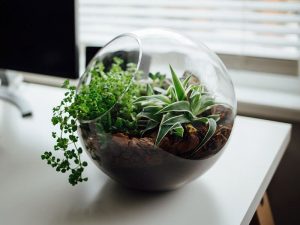
How to Create a Terrarium

Do you have a green thumb? Or maybe you’re just looking for an interesting and unique way to decorate your home? If so, then you should consider creating a terrarium! Terrariums are easy to make, and they can be filled with a variety of plants, depending on your preferences. Let this guide help you learn how to create your very own terrarium. So gather up your supplies, and let’s get started!

Supplies: The first thing you’ll need to do is gather your supplies. 

For this project, you will need a glass container, some rocks or gravel, potting soil, and plants. You can find all of these items at your local nursery or gardening store.

Of course, when it comes to picking out a glass container for your terrarium, be sure to consider how big you want it to be. Amazon has a great selection of containers in various shapes and sizes that you can choose from.

Time to create: Once you have all of your supplies, it’s time to start creating your terrarium!

Start by adding a layer of rocks or gravel to the bottom of your glass container. This will help with drainage and will keep the roots of your plants healthy. Next, add a layer of potting soil on top of the rocks. Make sure that the potting soil is moistened before adding your plants. 

Looking for some plants for your new terrarium? Here are some that work well in terrariums:

  • African violets: These plants thrive in humid environments and have beautiful blooms.
  • Pothos: A hardy plant that is easy to care for. It can be found in a variety of colors, including green, yellow, and white.
  • Ferns: A classic choice for terrariums. Ferns come in many different varieties and can add a touch of sophistication to your terrarium.
  • Ivy: Another hardy plant that is perfect for terrariums. Ivy comes in many different colors and can add a pop of color to your glass container.
  • Succulents: These plants are perfect for terrariums because they don’t require a lot of water.
  • Baby Tears: A delicate plant that adds a touch of whimsy to any terrarium.
  • Cactus: Cacti are another great option for terrariums because they don’t require much water.
  • Orchids: Orchids are a beautiful choice for terrariums. They come in many different colors and varieties.
  • Polka Dot Plant: The Polka Dot Plant is a beautiful option for terrariums. They require bright light and need to be watered regularly.
  • Prayer Plant: The Prayer Plant is a perfect choice for terrariums. They thrive in humid environments and need to be watered regularly.

You can also consider adding a few accessories to your terrarium. This could include things like rocks, shells, or even miniature figurines. Be creative and have fun with it!

Once you’ve added your plants, it’s time to sit back and enjoy your new terrarium!

A few tips about creating a terrarium:

  • Terrariums make great gifts too, so if you’re looking for a unique and thoughtful gift, consider giving someone a terrarium!
  • Be sure to use a glass container that has a lid. This will help to create a greenhouse effect and will keep your terrarium from drying out.
  • If you’re using succulents or cacti in your terrarium, be sure to add a layer of gravel on top of the potting soil. This will help with drainage.
  • When it comes to watering your terrarium, be sure to do it sparingly. Too much water can cause mold and mildew to grow. A good rule of thumb is to water your terrarium once every two weeks.

There you have it – everything you need to know about creating your very own terrarium. So what are you waiting for? Gather up your supplies and get started! You’re going to love the results.

Interior Design Trends That Are In and Out

Knowing what’s hot and what’s not when it comes to interior design can be hard to keep up with. Design trends change rapidly, but if you’re looking for interior design inspiration, you’ve come to the right place. Let’s take a look at what’s in and what’s out so that if you’re thinking about redecorating your home, you can grab some ideas and get started.

What’s In

  • Maximalism: One of the biggest trends in home décor right now is maximalism. This trend is all about embracing excess and opulence. If you’re looking to make a statement with your décor, then maximalism is the way to go. Rich colors, bold patterns, and luxurious materials are all key elements of this style.
  • Natural materials: Another trend that is popular right now is using natural materials. This can include anything from wood furnishings to stone accents. Using natural materials in your home décor can help create a warm and inviting space. If you’re looking to add some natural elements to your home, consider using wood furniture or accents, stone fireplace surrounds, or even adding a small water feature on a coffee table.
  • Cool blues: Cool blues are also popular right now in home décor. This color palette is perfect for creating a calm and relaxing environment. If you’re looking to add some cool blue hues to your home, consider using paint, fabrics, or even accessories in various shades.
  • Plants: Lots of plants is a trend for 2022. This is a great way to add some life to your home décor. Plants can help purify the air, improve your mood, and even boost your productivity. If you’re looking to add some plants to your home, consider using potted plants, hanging plants, or even succulents.
  • Rooms that serve multiple purposes: It used to be that each room had a singular, designated purpose, but nowadays, people are looking to maximize the space they have. You may have a home office that is also a craft room. Perhaps you’ve added a desk to the kitchen area. Getting the most out of your home is where it’s at now.

What’s Out

  • All-white/monochromatic color schemes: All-white/monochromatic décor is on its way out. While it was once very popular, people are now embracing color. If your home is decorated with all white furniture and walls, it’s time to make a change.
  • Matchy-matchy everything: Another trend that was once popular but is no longer in style is matchy-matchy everything. This includes matching your furniture, walls, carpets, and even your accessories. Everything should coordinate, but it doesn’t all have to match perfectly.
  • Wallpaper borders: Wallpaper borders are another trend that is no longer popular. If you have wallpaper borders in your home, you may want to remove them or replace them with something else.
  • Minimalism: Minimalism is a trend that has been around for a while, but it’s no longer as popular as it once was. If you’re decorating your home in a minimalistic style, you may want to consider changing things up.
  • Word art: All of those cute word signs and wall stickers are out, according to designers these days.
  • Farmhouse: What was once the rage is now diminishing in popularity. If you have a home filled with farmhouse decor, think about interspersing another design style to break it up.

These are just a few of the many interior design trends that are in and out at the moment. But as with all trends, they’re sure to come back into style at some point in the future – so if you like your style, keep it! And if you’re ready for a change – then consider some of these things!

Teaching Responsibility to Your Children

It’s never too early to start teaching your children about responsibility. In fact, the sooner you start, the better! Raising responsible kids takes time and effort, but it’s definitely worth it in the end – and here are some tips for getting started.

  • Have kids do chores: One way to teach responsibility to your children is to give them age-appropriate chores. This will help them learn how to take care of themselves and their belongings. As they get older, you can increase the difficulty of the chores as well.
  • Set clear expectations and consequences: Another way to teach responsibility is to set clear expectations and consequences for their actions. For example, if they don’t clean up their toys, they may lose the privilege of playing with them for a period of time. This will help them learn that there are consequences for their actions and that responsibility is important.
  • Raise kids who can solve their own problems: Raise children to be problem solvers. When they’re faced with a problem, encourage them to come up with a solution on their own. This will help them learn how to take responsibility for their actions and find solutions to problems.
  • Have structure and routines: Provide your kids with structure and routines. Having a set schedule will help them know what to expect and what is expected of them. This will make it easier for them to be responsible when they know what’s coming next.
  • Teach them good social skills: Helping your children to develop good social skills will go a long way in helping them be responsible citizens. They’ll learn how to interact with others, how to resolve conflicts, and how to respect other people’s property.
  • Try not to label your child: If they make a mistake, help them learn from it and move on. Labeling them as “bad” or ” irresponsible” will only make it harder for them to learn how to be responsible.
  • Set boundaries: It’s essential to set limits on what your children can and cannot do. This will help them understand that there are limitations and that they need to be responsible within those boundaries.
  • Allow them to make choices: Giving your children the opportunity to make choices will help them learn how to be responsible for their own actions. It’s important to let them know that they are in control of their own choices and that those choices have consequences.
  • Let them learn from mistakes: Mistakes are a part of life, and it’s vital for children to learn from them. If they make a mistake, help them understand what they did wrong and how they can fix it. This will help them learn and do better next time.
  • Encourage positive behavior: When your children do something well, be sure to praise them! This will encourage them to continue being responsible in the future.
  • Don’t help them immediately: If your child is struggling with something, don’t just do it for them. This will only teach them that they don’t have to be responsible for their own actions. Instead, give them some time to figure out how to do it on their own – and only step in when needed. 
  • Lead by example: Children learn best by example, so make sure you’re modeling the behavior you want them to emulate. If you’re always on time and taking care of your responsibilities, they’ll be more likely to do the same.

Raising responsible kids takes time and effort, but it’s definitely worth it when you see them become responsible adults. By teaching them early on, you can help them develop into well-rounded adults who are capable of taking care of themselves and others. Try out these tips and see how they work for you!

Tips to Keep Mosquitoes Away

Summertime is a great time for barbecues and outdoor activities, but it can also be a time when you have to worry about pesky mosquitoes. These little insects can ruin a good time by biting you and making you itchy-scratchy or giving you a nasty rash. But there are ways to keep them at bay! Let’s look at the best ways to keep mosquitoes away so that you can enjoy your summer without having to worry about them!

  • Avoid standing water: One of the best ways to keep mosquitoes away is to make sure that there is no standing water around your home. Mosquitoes lay their eggs in water, so if you have any stagnant water on your balcony, it will attract them. Be sure to empty out any flowerpots or dishes that may be holding water. 
  • Use insect repellent: Another way to keep mosquitoes away is to use mosquito repellent when you are outdoors. There are many different types of mosquito repellents available on the market, so be sure to read the labels carefully before purchasing one. Some repellents contain DEET, which is effective at keeping mosquitoes away but can be harmful to your skin, so be sure to follow the directions on the label carefully.
  • Avoid being outside at certain times: Did you know there are certain times of day when mosquitoes are more active? Mosquitoes are most active during dawn and dusk, so if you can, stay indoors during these times. If you must be outside, protect yourself to avoid being bit.
  • Certain plants can help: In addition to the above-mentioned tips, another great way to keep mosquitoes at bay is by planting certain plants. Some plants, such as lemongrass, lavender, peppermint, sage, and marigolds, release oils that repel mosquitoes. So, if you are looking for a natural way to keep these pests away, consider planting some of these mosquito-repelling plants around your home. A few pots placed strategically around your balcony can help significantly.
  • Grab some candles: Citronella candles are another great way to keep mosquitoes away from you. These candles contain oils that repel mosquitoes, so be sure to light one when you are outside. If you are having a party or barbecue, citronella candles are a great way to keep your guests bite-free!
  • Wear light colors: Mosquitoes are attracted to dark colors, so by wearing light-colored clothing, you can make it less likely that they will bite you. (Plus, lighter colors will keep you cooler in the summer – so it’s a win-win!)
  • Wear clothing that covers your skin: Yes, it’s summer, and it’s hot, but if you’re heading out for a hike or someplace known for mosquitoes, you will want to cover up. By wearing long sleeves and long pants, you can make it less likely that they will bite you.
  • Keep your windows closed: Let the air conditioning do its job, and keep your windows closed to avoid having mosquitoes in your home. (Is there anything more annoying than a mosquito in the room when you’re trying to fall asleep?)

The best way to prevent mosquito bites is to take some basic precautions, and these are just a few of the many ways that you can keep mosquitoes away this summer. Be sure to try out a few of these methods so that you can enjoy your time outdoors without having to worry about them. By following these tips, you can make it less likely that mosquitoes will ruin your summer fun!

Creating a Chore Chart for Your Children

When it comes to raising children, one of the most important things that parents can do is teach them how to be responsible. One way to do this is by creating a chore chart for kids. This will help them learn how to take care of themselves and their belongings. Let’s discuss some tips for creating a chore chart for your children that will help them stay organized and responsible!

  • Discuss What Needs to Be Done: The first step in creating a chore chart for kids is to sit down with your children and discuss what needs to be done. This could include tasks such as cleaning their room, making their bed, taking out the trash, or even personal tasks such as brushing their teeth. Once you have discussed all of the tasks that need to be completed, it is time to create the chart.
  • Create the Chart: There are a few different ways that you can create a chore chart for kids. One way is to use a calendar system. You can either print out a monthly calendar and have your children check off each task as they complete it, or you can use an online calendar like Google Calendar and assign certain tasks to specific days of the week.
    • Another option is to use a task list. This is an excellent option if you have younger children who are not yet able to read a calendar. You can create a list of all of the tasks that need to be completed (think about using pictures for children who can’t read yet), and then your children can check off each task as they complete it.
  • Choose Age-Appropriate Tasks: You also want to make sure the tasks are age-appropriate.  For younger children, chores such as vacuuming or taking out the trash can be a little too difficult. In these cases, you may want to consider tasks such as picking up their toys or putting their clothes away.
  • Set Expectations: Once you have created the chore chart, it is important to make sure that your children understand what it means and what is expected of them. You may want to sit down with them and go over each task individually. It is also a good idea to remind them about the chore chart on a regular basis, especially if they are struggling to establish chores as part of their daily routine.
  • Make Sure the Chart Is Visible: Also, make sure your kids can see the chart.  This will help them stay accountable and motivated to complete the tasks. You can hang it on the refrigerator or even put it on the wall in their room.
  • Will You Pay Your Children?: This is a personal decision, but you will need to decide if there will be payment/rewards for doing chores or if it’s just what your children will do as being a part of your family.
  • Model good behavior for your children: Let your children see you doing chores When they see that you are engaged in chores, you model good behavior for your kids.
  • Have Patience: The most important thing to remember when creating and implementing a chore chart for kids is to be patient and flexible. It may take a little while for your children to get used to the new system, but with time and patience, they will learn how to be responsible members of the family.

Creating a chore chart for kids can be a great way to help them learn how to be responsible and organized. By discussing the tasks that need to be completed and then creating a chart that is age-appropriate, you can help your children stay on track! And don’t forget to remind them about the chore chart regularly – this will help keep them accountable.

Camping Tips for Beginners

Are you thinking of camping for the first time? If so, you may be wondering what you need to know in order to have a safe and enjoyable experience. Camping can be a lot of fun, but it’s important to be prepared for the challenges that come with spending time outdoors. Here are some essential camping tips for beginners. Keep these tips in mind when planning your next outdoor adventure!

  • Always check the weather forecast: Weather can be unpredictable, so it’s important to know what to expect. If thunderstorms or hazardous weather is forecasted, it may be best to postpone your trip.
  • Have the right gear: It’s crucial to have the right gear for camping. Make sure you pack a tent, sleeping bag, and other essential items.
  • Be aware of your surroundings: There are certain dangers lurking in the wilderness, so it’s important to be aware of your surroundings at all times. Stay on trails, respect wildlife, and take caution when crossing bodies of water.
  • Pack enough food and water: Make sure you pack enough food and water for your trip. You don’t want to run out of supplies in the middle of nowhere!
    • Also, be sure to pack your food in sealable bins to avoid bugs and other critters who may want to enjoy what you’ve packed.
  • Pack appropriately for the climate and terrain you will be camping in: Make sure to bring plenty of warm clothes if you are camping in cold weather and plenty of sunscreen and hats if you are camping in hot weather.
    • Additionally, make sure your clothes are comfortable and quick-drying – especially if you’ll be staying near water or rain is predicted.
  • Be prepared for possible emergencies: Bring a first-aid kit, insect repellent, and other necessary supplies.
  • Stay safe around campfires: Never leave campfires unattended, and ensure all fires are completely extinguished before leaving the campsite.
  • Don’t set your tent up under a tree: Trees can be a hazard during storms, so it’s best to set your tent up in an open area.
  • Be prepared for bears and other wildlife: If you are camping in an area that is known to have bears or other dangerous wildlife, take appropriate precautions. Make noise while hiking, store food and trash properly, and never approach any wild animals.
  • Do some research on where you’ll be camping: Before you go, be sure to do some research on the area you’ll be camping in. Will you be staying in a busy campground? A national park? Backcountry? Beginners may want to start in a campground and work their way up to exploring places more off the beaten path.
  • Book your campsite in advance: Most campgrounds fill up quickly, especially during the summer months. Make sure to book your campsite in advance to ensure you have a place to stay.
  • Practice setting up your tent: If this is your first time camping, it may be a good idea to practice setting up your tent before you go. That way, you’ll know what to expect, and you won’t have to worry about figuring it out on-site.
  • Seek some expert advice: If you’re feeling overwhelmed, don’t hesitate to seek some expert advice. There are many books and websites devoted to camping, and you can also find plenty of information on social media channels like Facebook and Instagram.

Camping can be a lot of fun, but it’s important to be prepared for the challenges that come with spending time in the great outdoors. Keep these tips in mind when planning your next camping excursion!

How to Boost Your Focus and Concentration

Do you feel like you can’t focus or concentrate on anything these days? If so, you’re not alone. With the constant distractions of the internet and our 24/7 society, it can be hard to stay focused. But don’t worry, there are plenty of ways to boost your focus and concentration. Want to learn some simple tips to help? Then read on! 

  • Reduce/Eliminate Distractions: One of the best ways to boost your focus is to reduce or eliminate distractions. This means turning off your phone, closing your email, and silencing any other notifications that might pull you away from what you’re trying to do. If you need help staying on task, there are plenty of apps and software programs that can block out distractions and help you stay focused.
  • Start Small: If you’re having trouble boosting your focus, don’t try to do too much at once. Instead, start with small steps and gradually make changes. For example, if you want to reduce distractions, begin by turning off your phone for 30 minutes each day. Then, increase the amount of time as you get more comfortable.
  • Get Organized: Take the time to get organized. This means creating a plan for your day/week/month and setting aside time for each task. When you have a plan, it’s easier to stay on track and avoid getting overwhelmed by all that needs to be done. There are many different ways to get organized, so find what works best for you and stick with it!
  • Take Breaks: It might seem counterintuitive, but taking breaks can actually help you boost your focus. When you take a break, it gives your mind a chance to rest and rejuvenate. This means that when you do sit down to work, you’ll be able to concentrate more easily. 
  • Don’t Multitask: Multitasking seems like a great way to get more things done, but it can actually make you less productive. When you try to do too many things at once, your brain gets overloaded, and it becomes difficult to focus on any one thing. So instead of trying to do everything at once, focus on one task at a time and give it your full attention.
  • Be Mindful: Do you practice mindfulness? This means being aware of your thoughts and emotions and choosing to focus on positive things. When you’re mindful, it’s easier to let go of distractions and stay focused on what’s important. There are many different mindfulness techniques, so find one that works for you and make it a part of your daily routine.
  • Get More Rest: Do you get enough sleep at night? One of the most important things you can do to boost your focus is to get enough rest. When you’re well-rested, it’s easier to concentrate and pay attention. 
  • Establish Priorities: If you want to boost your focus, it’s important to establish priorities. This means knowing what’s most important to you and making sure that you spend your time on those things. When you have a clear sense of your priorities, it’s easier to stay focused and avoid getting sidetracked.
  • Set Goals: What goals do you have for yourself? Having specific goals that you’re working towards can help you stay motivated and on track. So take some time to think about what you want to achieve, and then create a plan for how you’ll get there.

Staying focused and concentrating on the tasks at hand are not skills that come easily to everyone. They require your attention and get better when you implement the tips mentioned here. Are you ready to get started so you can get more done and reach your goals?